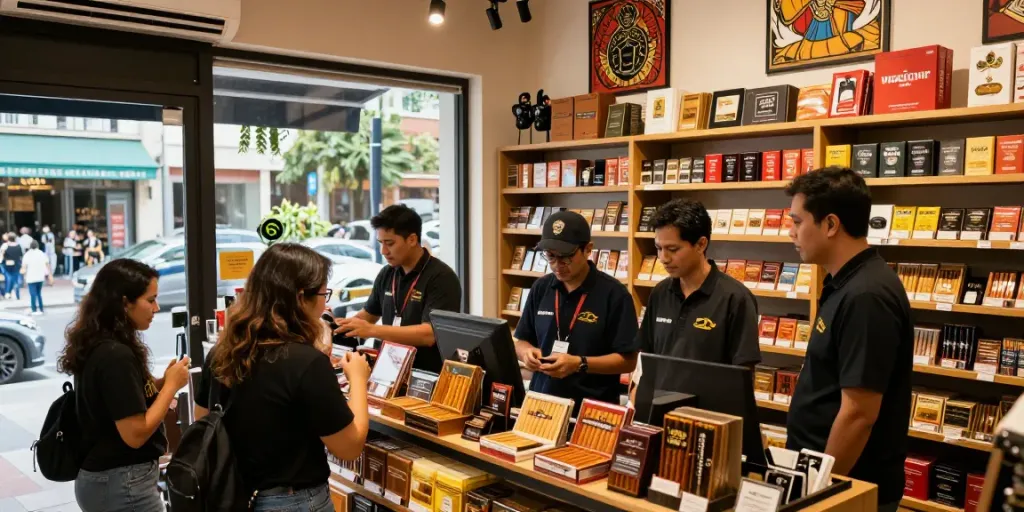
Understanding rokok 88: Origins and Popularity
The term rokok 88 encapsulates not just a product but a cultural phenomenon that has resonated with consumers across regions. This comprehensive exploration seeks to demystify this specific tobacco product, its origins, and the surge in its popularity among various demographics. Tobacco products, particularly those that have unique branding or cultural significance, often create a multi-faceted narrative that invites consumers to engage not only with the product itself but also with the lifestyle it promotes.
When exploring options, rokok 88 provides comprehensive insights into the evolving landscape of tobacco consumption.
What Is rokok 88?
Rokok 88 refers to a specific line of tobacco products that combines traditional smoking practices with modern branding efforts. It often appeals to consumers looking for a sense of sophistication or a particular lifestyle association. The branding may include unique packaging, flavor profiles, and marketing strategies designed to resonate with younger adults seeking alternatives to conventional cigarette brands.
Historical Background of Tobacco Products
Tobacco has a long and storied history that dates back to the indigenous peoples of the Americas, where it was used in ceremonial rituals. As it spread globally, tobacco was commercialized, leading to the development of various products, including cigars, cigarettes, and, more recently, e-cigarettes and heated tobacco products. The evolution of tobacco products has been heavily influenced by cultural trends and public health initiatives, impacting consumer choices over decades.
Growth in Popularity Among Consumers
In recent years, the growth in popularity of products like rokok 88 can be attributed to a combination of factors. These include an increased focus on branding, innovative flavors, and the emergence of social media as a platform for community building among smokers. The appeal is particularly strong among millennials and Gen Z, who are drawn to unique smoking experiences that align with their individualism and lifestyle choices.
Best Practices in Tobacco Consumption
How to Choose Quality Tobacco
Selecting quality tobacco is paramount for enhancing the smoking experience. Consumers should look for products that have a well-defined origin, ensuring that the tobacco leaves are sourced from reputable producers. Additionally, reading reviews and seeking recommendations can aid consumers in making informed choices that prioritize both flavor and quality.
Responsible Smoking Habits
As smoking continues to carry health risks, adopting responsible habits is crucial. This includes being mindful of where smoking is permitted, understanding personal limits, and considering the impact on those around you. Encouraging a smoke-free environment in public spaces helps cultivate a culture of respect and responsibility among smokers and non-smokers alike.
Common Misconceptions About Smoking
Many misconceptions surround smoking, particularly regarding its effects and benefits. For instance, some believe that flavored tobacco is less harmful than traditional varieties; however, all tobacco products pose health risks. Providing accurate information and spreading awareness can help debunk these myths and encourage more responsible choices among consumers.
Innovative Products in the Industry
Emerging Trends in Tobacco and Accessories
The tobacco industry is undergoing rapid innovation with new products and accessories emerging regularly. From vape pens to temperature-controlled devices, these innovations not only enhance the smoking experience but also cater to a growing demand for less harmful alternatives. Furthermore, sustainable practices in tobacco farming and product manufacturing are gaining traction, reflecting consumer preferences for environmentally conscious choices.
Technology's Impact on Smoking Experiences
Technology plays a significant role in shaping modern smoking experiences. Smart devices are now available that can track usage and provide insights into smoking habits. This integration of technology helps smokers make informed decisions about their consumption and contributes to a broader understanding of personal health.
Exploring Non-Traditional Tobacco Alternatives
The rise of non-traditional tobacco products, such as herbal cigarettes and nicotine pouches, reflects a shift in consumer preferences. These alternatives often appeal to those seeking to reduce their nicotine intake or explore different flavors without traditional tobacco. As the market expands, it is essential for consumers to research and understand the ingredients and potential health implications of these products.
Staying Compliant: Regulations and Health Awareness
Current Regulations Affecting Tobacco Sales
Regulations around tobacco sales are evolving in response to public health concerns and changing consumer behaviors. Many regions have implemented stricter laws regarding advertising, packaging, and sales to minors, affecting how products like rokok 88 are marketed. Staying informed about these regulations is crucial for both consumers and retailers in the tobacco industry.
Health Risks Associated with Smoking
The health risks of smoking are well-documented and continue to be a significant concern. Conditions such as lung cancer, heart disease, and respiratory illnesses are linked to tobacco use. Acknowledging these risks is important, as it encourages smokers to make informed choices and consider their long-term health.
Resources for Smokers Seeking Help
For those looking to quit smoking or reduce their tobacco usage, numerous resources are available. Support groups, hotlines, and counseling services can provide necessary guidance and motivation. Health professionals can also develop personalized plans to help individuals transition away from tobacco use safely.
The Future of Tobacco: What Lies Ahead in 2026
Predicted Trends in the Tobacco Industry
As we approach 2026, several trends are expected to influence the tobacco industry significantly. Increased regulatory pressures will likely lead to more innovative products designed to meet consumer demand while adhering to health guidelines. Additionally, the rise of personalized smoking experiences tailored to individual preferences is expected to become more prevalent.
Consumer Preferences Evolving Over Time
Consumer preferences are continually shifting, particularly as younger generations become more health-conscious and environmentally aware. This evolution is driving demand for lower-risk products and sustainable materials, prompting manufacturers to adapt their offerings accordingly.
Innovations Shaping the Future of Smoking
Innovations will continue to shape the smoking landscape, with advancements in product technology and health monitoring becoming commonplace. Devices that can provide feedback on inhalation patterns and offer suggestions for healthier consumption methods are likely to gain popularity, making smoking more informed and potentially less harmful.
What Is the Community Saying About Tobacco Trends?
Community sentiment regarding smoking trends is mixed, with ongoing discussions about addiction, health impacts, and social responsibility. Forums and social media platforms are places where both advocates and critics share insights and experiences, shaping public perceptions and influencing consumer choices in the tobacco market.