Understanding the Importance of Notdusche für Gefahrstofflager
In industries dealing with hazardous materials, safety must be the foremost priority. One crucial element of workplace safety is the availability of emergency equipment, particularly safety showers known as Notdusche für Gefahrstofflager. These systems provide immediate decontamination in cases of chemical exposure, ensuring a rapid response to minimize harm. Understanding the significance of these safety installations, as well as their function and compliance requirements, can lead to better protection for workers in high-risk environments.
What is a Notdusche, and Why is it Necessary?
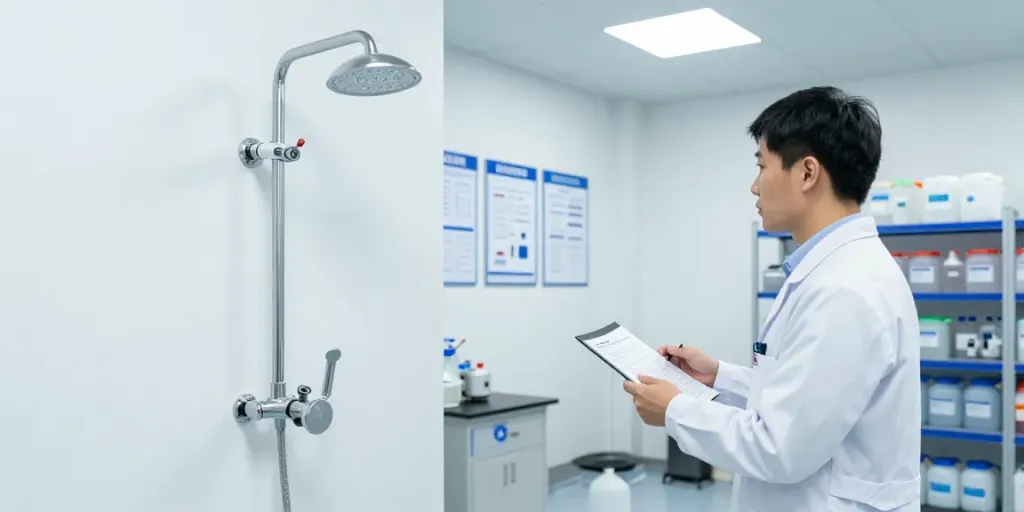
A Notdusche, or emergency safety shower, is designed to quickly wash away hazardous substances that may come into contact with a person's skin or eyes. These showers are critical in environments such as laboratories, chemical storage facilities, and manufacturing plants where employees are exposed to potentially dangerous materials. The necessity of having Notduschen is underscored by regulations requiring such equipment in workplaces handling hazardous materials, ensuring that immediate decontamination is available in case of an emergency.
Key Regulations and Standards for Safety Showers
Various standards govern the design and installation of safety showers. The European norm (EN) and the American National Standards Institute (ANSI) provide guidelines that dictate how Notduschen should function to guarantee safety. Compliance with these standards is crucial not only for legal adherence but also for the protection of employees from potential health hazards. Regular inspections and maintenance of these systems are also emphasized within these regulations, ensuring optimal functionality in emergencies.
Different Types of Notduschen Available
Notduschen come in various forms to meet the needs of different environments. Basic types include:
- Body Showers: Designed for the swift rinsing of the entire body, these showers are crucial in situations where hazardous materials have splashed onto a worker’s skin or clothing.
- Eye Wash Stations: These are specifically for rinsing chemicals from the eyes; they typically consist of a bowl with a water outlet that allows for a gentle flow of water.
- Combination Units: These provide both body and eye wash functions, offering comprehensive safety solutions in a single installation.
Factors to Consider When Selecting a Notdusche
Selecting the appropriate Notdusche involves a careful consideration of various factors that affect its efficiency and effectiveness in emergency scenarios.
Environmental Conditions and Their Impact
The effectiveness of a Notdusche can be significantly influenced by environmental conditions. Factors such as ambient temperature, humidity, and even exposure to sunlight can affect the performance of these systems. For example, in regions where temperatures drop below freezing, installing heaters may be necessary to maintain the water at a safe temperature for use. Conversely, in extremely hot climates, cooling systems may be required. Assessing the specific conditions of the installation site is essential in ensuring the Notdusche operates effectively when needed.
Custom Features for Enhanced Safety and Compliance
Many organizations opt for customized Notduschen to better fit their unique operational needs. Additional features such as:
- Acoustic Alarms: These can alert nearby personnel in case of an emergency.
- Lighting Options: Adequate lighting can aid visibility, particularly in poorly lit areas.
- Containment Basins: These promote safety by collecting runoff water and preventing contamination.
Incorporating these custom features not only enhances safety but also aids in compliance with various regulatory standards.
Understanding Installation Requirements and Challenges
Installation of Notduschen must adhere strictly to regulatory requirements, which dictate their placement, accessibility, and operational functionality. A common challenge is ensuring that the shower is accessible within a certain distance from hazardous work areas, typically within 10 seconds of travel time. Adequate plumbing and drainage systems must also be considered to prevent water from accumulating and creating additional hazards.
Maintenance and Compliance: Ensuring Functionality
Routine maintenance of Notduschen is not just a recommendation but a requirement under most safety regulations. Regular checks can identify potential issues before they become critical, ensuring that these systems remain fully functional when needed.
Regular Maintenance Practices for Notduschen
Maintenance practices should include:
- Routine flushing of the shower to ensure water flow is free of obstructions.
- Checking the integrity of hoses, fittings, and nozzles to prevent leaks.
- Regular inspections of any electrical components and emergency lighting systems.
A well-structured maintenance schedule can provide peace of mind for employers and ensure compliance with safety standards.
Keeping Up with EN and ANSI Standards
Maintaining compliance with EN and ANSI standards is essential for the operational integrity of Notduschen. Regular audits and inspections by qualified personnel can assist organizations in identifying non-compliance issues and rectifying them promptly. This not only protects employees but also mitigates risks associated with regulatory penalties.
Common Compliance Issues to Avoid
Some common compliance pitfalls include:
- Inadequate documentation of maintenance activities.
- Failure to provide adequate training for employees on using safety showers.
- Neglecting to conduct regular risk assessments of the installation site.
By addressing these issues, organizations can enhance the reliability and effectiveness of their safety protocols.
Real-World Applications of Notduschen in Industries
The real-world applications of Notduschen span a variety of industries, illustrating their paramount importance in maintaining workplace safety.
Case Studies: Successful Implementations in Laboratories
In laboratory environments, where chemical exposure risks are high, the integration of Notduschen has been shown to significantly reduce injury rates. For instance, a prominent research facility implemented emergency safety showers alongside rigorous training programs and reported a marked decrease in the frequency and severity of chemical exposure incidents.
Comparison of Notduschen Effectiveness Across Different Settings
Different industries may require varying types of safety showers based on specific risks. In chemical manufacturing, full-body showers may be necessary due to higher exposure risks, while in healthcare settings, eye wash stations may suffice. This distinction highlights the need for a tailored approach to emergency safety equipment based on operational requirements.
Trends in Emergency Safety Equipment for 2026
As safety standards evolve, so does the technology behind Notduschen. Emerging trends include:
- Integration of smart technology for real-time monitoring and alerting systems.
- Increased emphasis on green technologies, such as water recycling systems.
- Customization options that allow for modular installations to suit specific environmental needs.
Staying abreast of these trends can help organizations enhance their safety equipment and strategies.
Frequently Asked Questions About Notduschen
When are Notduschen Required?
Notduschen are typically required in any workplace where hazardous materials are present, as dictated by safety regulations. They must be readily accessible to employees who may experience exposure to harmful chemicals.
Are Individual Customizations Possible?
Yes, most suppliers of Notduschen offer customization options to meet specific operational requirements and regulatory compliance standards.
How Can I Ensure Compliance with Local Regulations?
To ensure compliance, organizations should regularly consult with safety professionals, conduct thorough risk assessments, and stay updated on regulatory requirements that apply to their industry.
What Maintenance Schedule Should I Follow?
A recommended maintenance schedule includes monthly inspections, annual flushing, and routine checks for any wear and tear or damages. Keeping detailed records of maintenance activities is also crucial.
What Accessories Enhance the Effectiveness of Notduschen?
Accessories such as acoustic alarms, additional signage for easy identification, and lighting can significantly improve the effectiveness of Notduschen in an emergency situation.